Dark spots — the flat, brownish patches that appear after a pimple heals, after a summer of sun exposure, or just gradually with age — are among the most common skincare concerns in every demographic. They form when melanin, the pigment that gives skin its color, is overproduced in a concentrated area. Most brightening ingredients work by slowing that overproduction at its source. Kojic acid is one of the oldest and most thoroughly studied tools for doing exactly that. Derived from fungi during the fermentation of certain foods, it works by blocking tyrosinase — the enzyme skin needs to manufacture melanin in the first place. Block tyrosinase effectively, and new pigment production slows. Do it consistently over weeks, and existing dark spots fade. If you’re already past the basic pitch and need an actual decision framework — which concentration does something, which formulations hold up on the shelf, and which price tier justifies itself — that’s what this guide is built to deliver.
The Concentration Threshold: What the Research Actually Says
Most buying guides list products without telling you whether the active concentration in each formula is clinically meaningful. That gap is worth closing first.
The published literature on kojic acid draws a fairly clear line. Saeedi, Eslamifar, and Khezri’s review “Kojic acid applications in cosmetic and pharmaceutical preparations,” published in Biomedicine & Pharmacotherapy (2019) and indexed on PubMed (NCBI), identifies 1% as the practical floor for meaningful tyrosinase inhibition in topical leave-on formulas. Concentrations below 1% appear in some products — often combined with other brighteners — but the authors note that evidence for sub-1% activity in isolation is thin.
The effective range most formulators target is 1% to 2%. Above 2%, irritation and sensitization risk climbs without a proportional gain in efficacy, and stability becomes harder to manage. The safety assessment by Burnett et al., “Amended safety assessment of kojic acid as used in cosmetics,” published in the International Journal of Toxicology (2010) and indexed on PubMed (NCBI), specifically flags concentrations above 2% as carrying elevated sensitization potential. European cosmetic regulations have at various points proposed restricting leave-on products to 1% for exactly this reason.
At a glance:
- Sub-1%: likely insufficient as a standalone brightener
- 1%–2%: clinically active range; most well-formulated products sit here
- Above 2%: diminishing returns on efficacy; meaningful increase in irritation and contact sensitivity risk
- Effective pH window: 3.5–5.5 (kojic acid degrades rapidly above pH 6)
That pH window matters enormously when stacking actives — something we’ll return to in the irritation section.
Stability: The Hidden Variable That Separates Good Formulations from Expensive Disappointments
Kojic acid is notoriously unstable. It oxidizes on contact with air, light, and metal ions — turning a pale-yellow formula brown and rendering the active largely inert before you’ve finished the bottle. This is not a minor formulation footnote. The Paula’s Choice Ingredient Dictionary entry for kojic acid states plainly that the ingredient is functional but “requires careful formulation to remain stable in a product.” That’s not marketing hedging — it reflects a real constraint that the best formulas solve through dedicated packaging choices, well-chosen co-ingredients, or both.
Cosmetics and Toiletries, a peer-reviewed trade publication covering cosmetic science, has addressed kojic acid stabilization in emulsion systems in its technical review coverage, noting that stability requires pH buffering, chelating agents to bind metal ions, antioxidant co-ingredients, and packaging that minimizes light and air exposure. These are not optional refinements — they determine whether what’s on the label is still active when it reaches skin.
What to look for:
- Chelating agents (disodium EDTA, phytic acid): bind metal ions that catalyze oxidation
- Antioxidant co-ingredients (vitamin E, ferulic acid, ascorbyl glucoside): slow oxidative degradation
- Opaque or airless packaging: UV light accelerates breakdown; a clear jar is almost always a liability
- Absence of high-alkalinity ingredients in the same formula: anything pushing pH above 6 destabilizes kojic acid
Where this hits budget products hardest: a $12–$18 drugstore brightener may list 1% kojic acid, but if it’s packaged in a clear pump bottle with no chelating agent and a high-pH base, you may be applying oxidized, inactive material by week three. Concentration on the label is necessary but not sufficient.
Irritation Profiles: Who’s at Risk and How to Manage It
Kojic acid’s irritation story is more nuanced than “gentle” or “harsh.” The Healthline article “Kojic Acid for Skin: Benefits, Uses, and Side Effects,” reviewed by Cynthia Cobb, DNP, APRN, characterizes kojic acid as generally well-tolerated at 1%–2% but distinguishes two meaningfully different risk patterns:
1. Transient irritation — redness, mild stinging, and dryness appearing in the first one to two weeks, usually resolving with buffered introduction (every other day, then daily) and a solid barrier-support moisturizer. This is the more common pattern and is manageable for most users.
2. Contact sensitization — a true allergic response that, once developed, means the person cannot tolerate kojic acid going forward. Less common, but the reason the Burnett et al. safety assessment (cited above) recommends staying under 2% in leave-on formulas. Sensitization risk is higher in compromised or actively inflamed skin, which matters practically when considering kojic acid as part of a post-procedure brightening protocol.
The Byrdie guide “Kojic Acid for Skin: Benefits, Side Effects, and How to Use It” notes that dermatologists commonly recommend a 24–48 hour patch test before full application, specifically because sensitization can be unpredictable even in people without a general history of reactive skin. That’s a meaningful precaution, not boilerplate.
Layering considerations:
- With L-ascorbic acid (vitamin C): Both are pH-sensitive and both can be irritating. Separate AM (vitamin C) and PM (kojic acid), or substitute a stabilized vitamin C derivative such as ascorbyl glucoside to reduce cumulative acid load.
- With niacinamide: Compatible and complementary. Niacinamide works downstream of tyrosinase — inhibiting melanosome transfer rather than melanin synthesis — making it a logical pairing. It also supports barrier function, which offsets some of kojic acid’s irritation potential. The combination appears in several well-regarded formulations for this reason.
- With AHAs/BHAs: Use with caution and not simultaneously. Exfoliating acids lower skin pH and increase cell turnover, amplifying irritation potential. Alternate days or relegate kojic acid to PM only when acids are part of the protocol.
- With retinoids: High irritation overlap. Introduce kojic acid only after the retinoid adjustment period — typically six to eight weeks — and monitor barrier health closely throughout.
Formulation-by-Tier Comparison: Where Price Actually Justifies Itself
Price alone doesn’t predict efficacy, but formulation quality and packaging do — and those correlate with price tier more often than not. The three comparisons below reflect how real formulation trade-offs map onto common price bands.
Budget Tier: Accessible Entry Points with Known Trade-offs
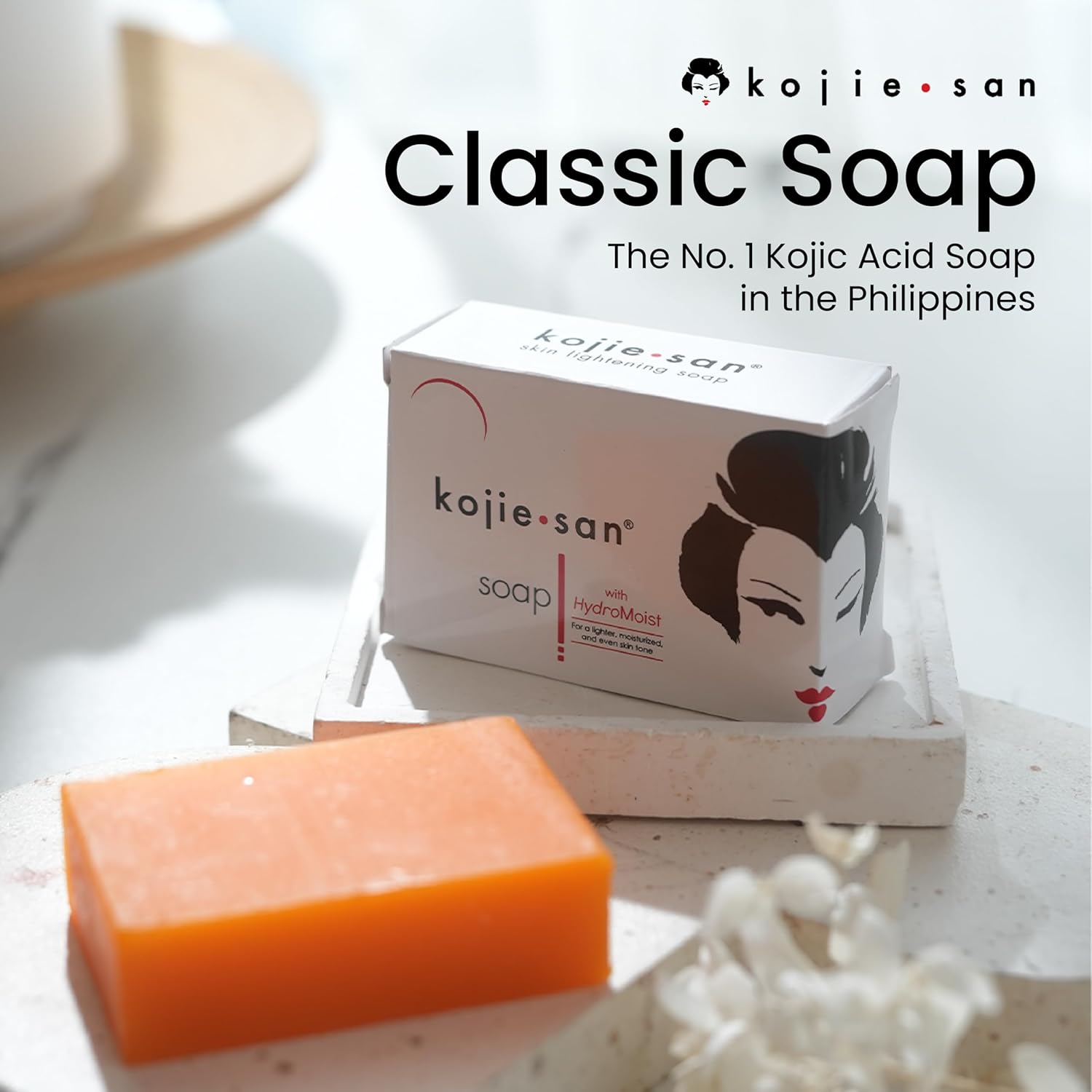
Drugstore kojic acid products — typically priced between $12 and $30 — often achieve the 1% concentration threshold but frequently fall short on stabilization infrastructure. Kojic acid soap deserves special mention here: it’s widely available and popular, but rinse-off format limits dwell time on skin, reducing efficacy compared to leave-on serums regardless of listed concentration. For cost-conscious shoppers, the best-case drugstore scenario is a 1% kojic acid moisturizer in an opaque bottle with disodium EDTA visible in the first half of the ingredient list. Set realistic timelines: the Saeedi et al. Biomedicine & Pharmacotherapy review (cited above) notes clinical trial timelines for kojic acid brightening that suggest 16–20 weeks as a realistic minimum for visible results in suboptimal formulations versus 8–12 weeks for well-stabilized leave-on serums.
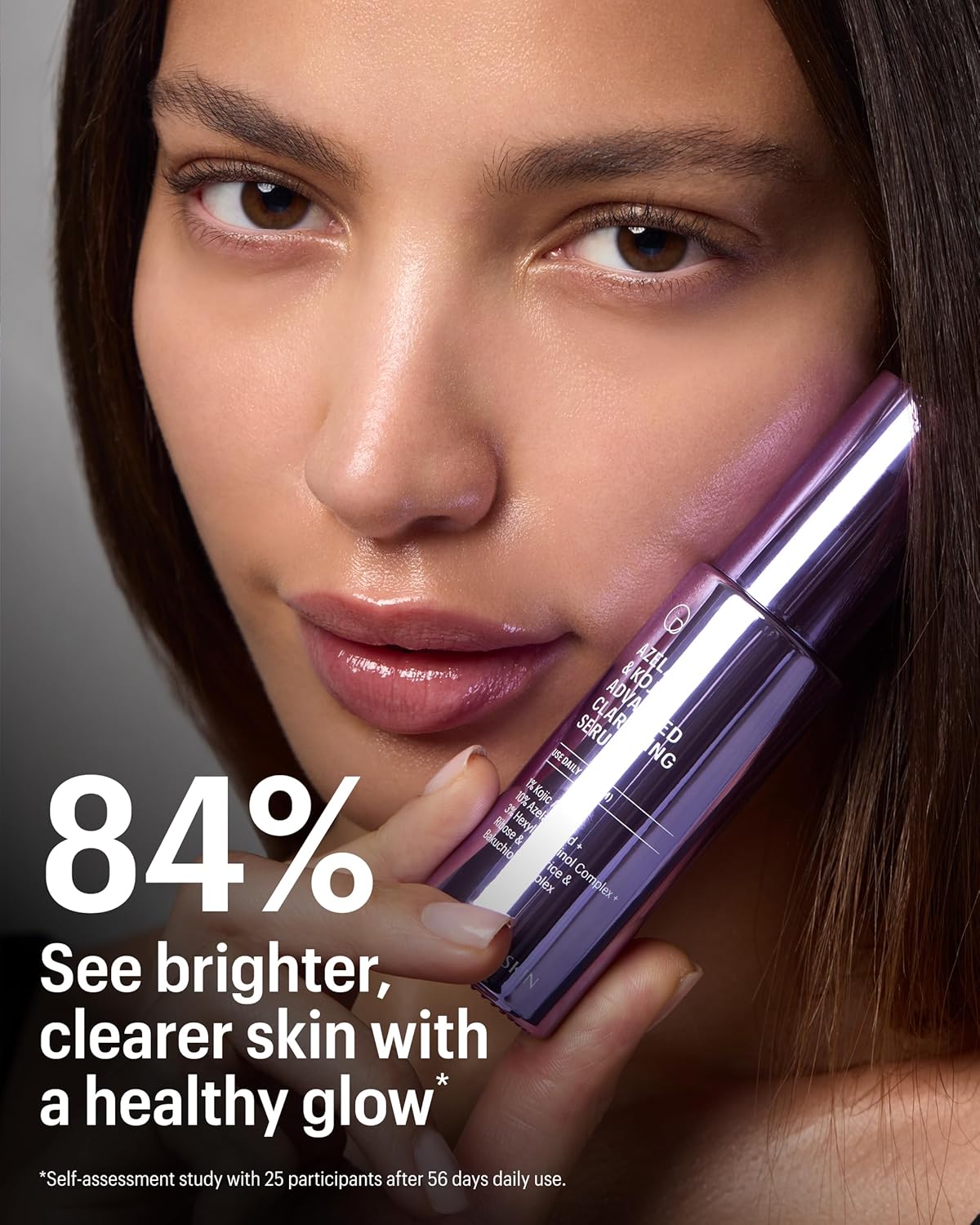
TOSOWOONG
$13.93
In stock on Amazon
Check price on AmazonMid-Tier: Where the Price-to-Efficacy Ratio Is Strongest
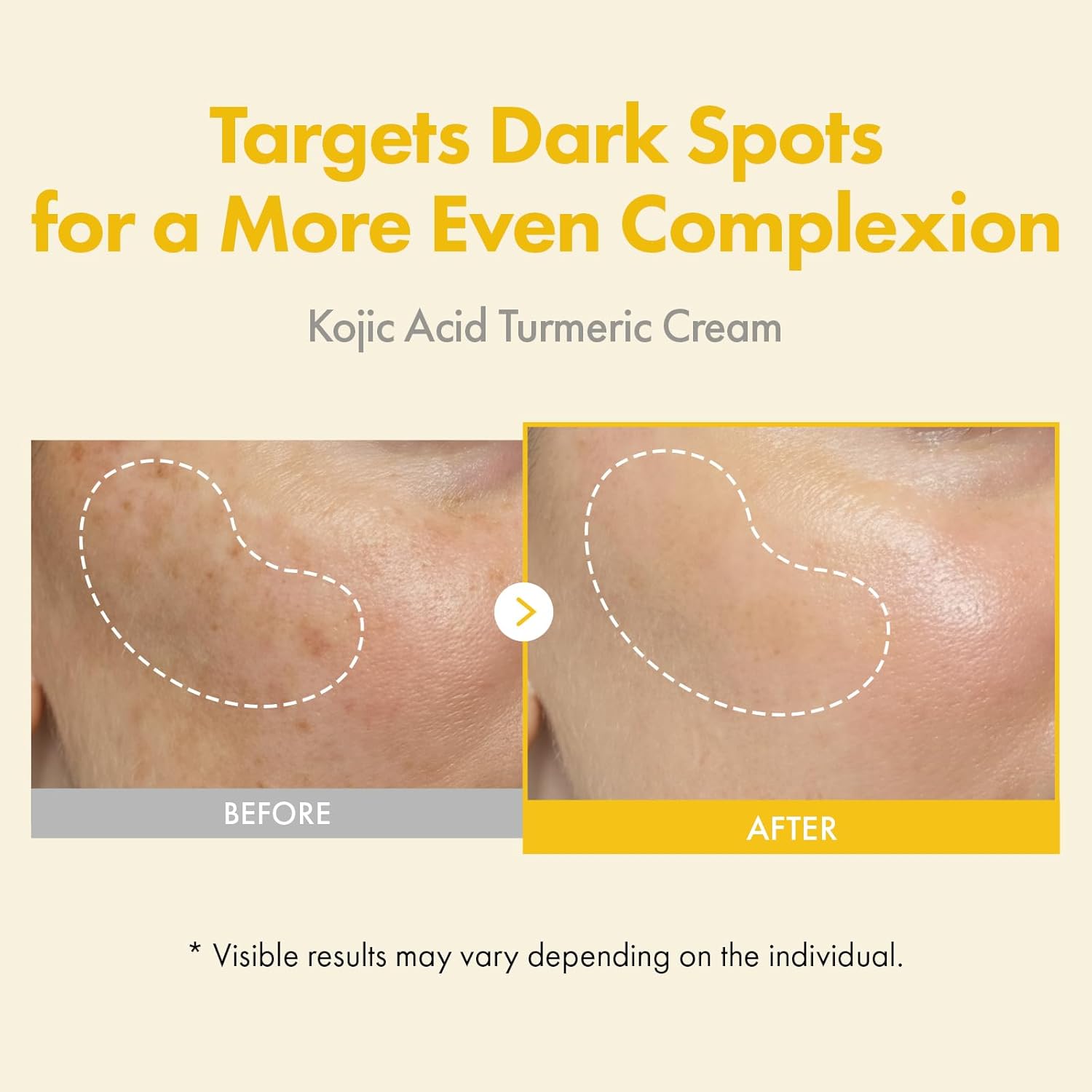
The $30–$80 range is where formulation quality starts to genuinely justify the price delta for kojic acid specifically. At this tier, you’re significantly more likely to encounter chelating agents, antioxidant support ingredients, pH-optimized bases, and packaging choices — particularly airless pumps — that reflect real attention to stabilization. Pairings with niacinamide and tranexamic acid are common at mid-tier, and those combinations address hyperpigmentation through complementary mechanisms rather than redundant ones. For kojic acid as a primary brightening active, the mid-tier represents the sweet spot of clinical plausibility and formulation quality without a prestige markup. Shoppers who want accountability beyond a label claim but aren’t ready for the prestige price point will find the strongest value here.
Kojie
$24.00
In stock on Amazon
Check price on AmazonPremium Tier: When Clinical Evidence Sets Products Apart
Prestige kojic acid products — $80 to $180 and above — make their strongest case not through the kojic acid itself but through the evidence backing the complete formula and the delivery system supporting it. The Byrdie guide to kojic acid specifically discusses SkinCeuticals Discoloration Defense as a formula combining kojic acid with tranexamic acid and niacinamide that has published clinical trial support demonstrating measurable improvement in melasma and UV-induced hyperpigmentation over twelve weeks. That kind of trial data is a genuine differentiator from most drugstore options and represents what a prestige price point should be buying.
It’s worth noting that some top-tier brightening lines from brands such as La Mer and Tatcha lead with vitamin C derivatives and proprietary complexes rather than kojic acid as the primary active — meaning the specific kojic acid ROI argument is weaker there. For kojic acid as the headline ingredient, the $60–$100 range captures most of the clinical support that prestige can offer, and anything above that tier requires scrutiny of whether the formula’s evidence actually warrants the premium.
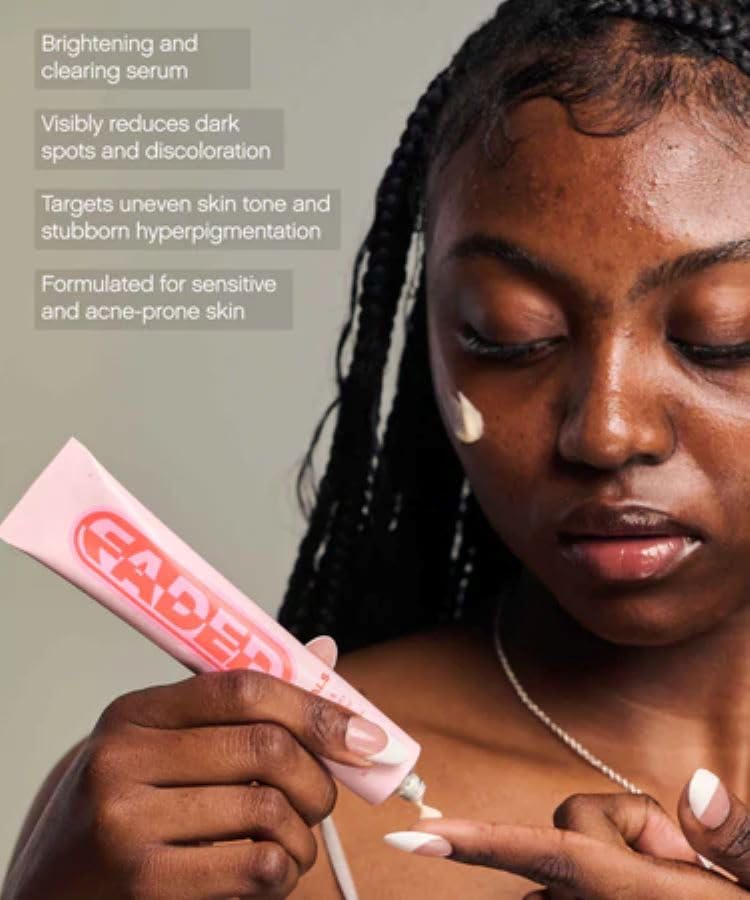
Topicals
$38.00
In stock on Amazon
Check price on AmazonThe Decision Rule: Five Questions Before You Buy
Apply this filter in order before committing to any kojic acid product:
- Is the concentration at or above 1%? If not stated, look for kojic acid in the first half of the ingredient list as a rough proxy for meaningful levels.
- Is it a leave-on format? Rinse-off products have limited supporting evidence at standard exposure times.
- Does packaging limit light and air exposure? Opaque bottle or airless pump. Clear jars are a formulation liability regardless of what’s inside.
- Are chelating agents present? Disodium EDTA or phytic acid in the ingredient list signals the formulator addressed stability seriously.
- Does the formula include niacinamide or a vitamin C derivative? These are the best co-ingredient options for both tolerability and synergistic brightening effect.
If the answer to all five is yes, you have a formulation worth a full trial period — regardless of price tier. If a product fails two or more criteria, the label claim is likely ahead of what the formula can deliver.
Set the right timeline expectations before starting: kojic acid brightening is a 10–20 week commitment. Results may be visible at eight weeks under optimal conditions; full assessment of stubborn post-inflammatory hyperpigmentation requires 16–20 weeks. Anything promising faster results is marketing, not mechanism. The ingredient is real, the evidence is solid, and the formulation variables are learnable. That’s the whole game.